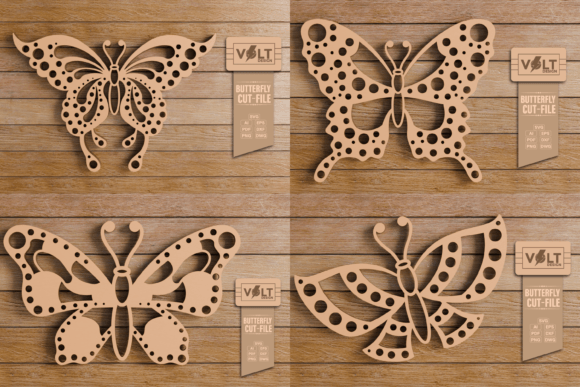
Butterfly Laser and CNC Cutting File SVG
In the evolving landscape of digital fabrication and creative design, the intersection of technology and art has created new opportunities for both hobbyists and professional makers. One specific asset that has gained traction in this space is the Butterfly Laser and CNC Cutting File SVG. This digital resource is not merely a static image; it is a precise, multi-layered vector blueprint designed to guide cutting machines through intricate papercut designs. For creators looking to produce high-quality home decor, custom gifts, or commercial products, understanding how to leverage these files effectively is essential.
The modern maker’s workflow relies heavily on versatility. Whether you are operating a Cricut, Silhouette, Glowforge, or a larger industrial CNC router, the ability to import a file that contains all necessary layers, paths, and formats ensures a seamless transition from screen to physical object. The Butterfly SVG laser cutting file exemplifies this utility, offering a complex yet manageable design that rewards precision and patience with stunning visual results.
Understanding the Digital Asset: What You Receive
When purchasing or downloading a specialized cutting file like the Butterfly design, it is crucial to understand the technical specifications provided. A robust digital download typically includes a comprehensive suite of file formats to accommodate different software environments and machine capabilities. From this Butterfly laser cutting file, you will receive a versatile package including:
- Ai file: The native Adobe Illustrator format, ideal for editing vector paths and adjusting layer properties.
- EPS file: An Encapsulated PostScript file, widely compatible with various design applications and older cutting software.
- SVG file: Scalable Vector Graphics, the standard for most consumer-grade cutting machines due to its lightweight nature and scalability.
- PNG file: A raster image format, useful for previewing the design or for use in non-vector-based graphic design programs.
- PDF file: Portable Document Format, ensuring consistent viewing across devices and often usable by basic PDF readers connected to plotters.
- DXF file: Drawing Exchange Format, commonly used in CAD software and compatible with many CNC routers and laser cutters.
- DWG file: AutoCAD Drawing Database, providing another layer of compatibility for professional engineering and design workflows.
This multi-format approach removes barriers to entry. Whether your workflow begins in Adobe Illustrator, Inkscape, CorelDRAW, or proprietary machine software, the Butterfly file integrates smoothly. It is important to note that this is a digital download, meaning no physical item will be shipped to you. The value lies in the immediate accessibility and the infinite reproducibility of the design.
Workflow Integration: From Download to Finished Product
Transitioning from a digital file to a tangible piece of art requires a structured approach. While the process may seem daunting to beginners, following a systematic method ensures accuracy and minimizes material waste. Here is how the process generally works:
- Download the Butterfly to your computer: Secure the zip archive containing all the mentioned file formats.
- Extract the files from the zip archive: Unpack the contents to access individual files. Keeping them organized in a dedicated project folder helps maintain workflow efficiency.
- Upload the Butterfly to your software: Open your preferred cutting software (such as Cricut Design Space, Silhouette Studio, or LightBurn). Import the appropriate file type—usually SVG or DXF—for best results.
- Use cutting machine to cut each layer: Most multi-layer papercut designs consist of separate distinct shapes that must be cut individually. Ensure your machine settings (speed, power, pressure) are calibrated for your chosen material, whether it is cardstock, basswood, acrylic, or leather.
- Stack the layers in the correct order as the serial: This is the most critical step. Papercut art relies on depth and shadow. Typically, the largest background layer goes at the bottom, with progressively smaller, more intricate layers stacked on top. Misalignment can ruin the illusion of depth.
Mastering this workflow allows creators to scale their production. Once the technique is refined, the time required to produce a single unit decreases significantly, opening doors for batch production or personalized orders.
Practical Applications and Use Cases
The versatility of the Butterfly Laser and CNC Cutting File SVG extends across multiple domains. Its intricate patterns and aesthetic appeal make it suitable for various applications, ranging from personal hobbies to commercial ventures.
Home Decor and Wall Art
Transform your living space with stunning papercut designs adorning your walls. Create mesmerizing wall art that casts intricate shadows when backlit, instantly adding an elegant touch to any room. The butterfly motif, symbolizing transformation and beauty, resonates with interior design trends that favor organic shapes and natural motifs. When mounted against a light source, such as a window or a dedicated LED backlight panel, the layered cuts create a dynamic interplay of light and shadow. This effect changes throughout the day, making the artwork a living element of the room rather than a static decoration. Professionals often use these pieces as focal points in nurseries, meditation spaces, or modern minimalist living rooms.
Greeting Cards and Paper Crafts
Craft unique and heartfelt greeting cards for special occasions. The intricate papercut patterns will create a visual feast for recipients, making your messages even more memorable. Unlike mass-produced cards, a layered butterfly card demonstrates significant effort and personalization. These are particularly effective for milestone events such as weddings, anniversaries, or birthdays. The delicate nature of the design appeals to those who appreciate fine craftsmanship. Furthermore, the scalability of the SVG file allows you to adjust the size to fit standard envelope dimensions or to create oversized display cards for framing.
Scrapbooking and Journaling
Elevate your scrapbooking projects with intricate papercut embellishments. The Butterfly SVG can be scaled down to serve as decorative borders, page markers, or central focal points in memory books. The precision of the laser-cut lines ensures clean edges that look professional even when handled frequently. For educators and therapists, these designs can be used in therapeutic journaling exercises, where the act of assembling the layers provides a mindful, meditative experience.
Commercial Opportunities
One of the most compelling features of this digital asset is the permission to sell the physical project. This aligns with the growing "maker economy," where individuals turn digital skills into sustainable income streams. By producing high-quality layered butterfly decorations, entrepreneurs can offer premium products on platforms like Etsy, at local craft fairs, or through boutique home goods stores. The low cost of materials combined with the high perceived value of hand-assembled, intricate art creates a healthy profit margin. However, success in this area depends on presentation, branding, and consistent quality control during the assembly phase.
Trends Shaping the Market for Digital Cutting Files
The popularity of files like the Butterfly Laser and CNC Cutting File SVG is driven by broader shifts in consumer behavior and technology. Several factors contribute to this trend:
- Personalization Demand: Consumers are increasingly moving away from generic, mass-produced goods toward items that feel unique and handcrafted. Layered papercut art offers a level of customization that factory-made items cannot match.
- Accessibility of Technology: The price of desktop cutting machines and laser engravers has dropped significantly, bringing professional-grade tools into home workshops. This democratization of manufacturing means more people have the hardware to utilize these digital files.
- Sustainability and Craftsmanship: There is a renewed appreciation for slow craft and sustainable practices. Using locally sourced paper or wood, combined with digital precision, reduces waste compared to traditional molding or casting processes. Buyers often prefer supporting small businesses that prioritize quality over quantity.
- Digital-Physical Hybrid Workflows: Creators are becoming more tech-savvy, blending digital design with physical making. The availability of multiple file formats (Ai, EPS, DXF, etc.) supports this hybrid approach, allowing users to switch between design software and cutting software without losing data integrity.
Considerations for Success
While the potential is high, creating successful products from the Butterfly SVG requires attention to detail. Material selection plays a pivotal role. Thin cardstock may be suitable for cards but lacks the structural integrity needed for large wall art. Conversely, thick basswood provides excellent stability for 3D effects but requires higher power settings on laser cutters. Testing samples is always recommended before committing to full production runs.
Additionally, lighting considerations are vital for wall art. The design’s impact is heavily dependent on how it is illuminated. Creators should consider recommending or including guidance on mounting techniques and lighting setups to help end-users achieve the intended aesthetic. This adds value to the product and enhances customer satisfaction.
Finally, intellectual property rights must be respected. While you can sell the physical items made from the file, redistributing the digital file itself is typically prohibited. Understanding the specific license terms associated with the Butterfly Laser and CNC Cutting File SVG ensures ethical business practices and protects your reputation within the maker community.
In conclusion, the Butterfly Laser and CNC Cutting File SVG represents more than just a design template; it is a gateway to a creative and potentially profitable venture. By leveraging the provided multi-format files and adhering to best practices in layering and finishing, creators can produce exquisite works that meet the modern demand for personalized, high-quality handmade goods. Whether used for personal home decor or as part of a growing online store, this asset offers a practical, stylish, and adaptable solution for today’s digital makers.