Watercolor Hippie Digital Paper Pattern: A Strategic Asset for Authentic Branding and Creative Projects
In the crowded digital marketplace, visual distinctiveness is not merely an aesthetic preference; it is a critical business differentiator. The Watercolor Hippie Digital Paper Pattern collection offers more than just decorative backgrounds; it provides a curated set of high-resolution textures that bridge the gap between organic authenticity and professional polish. For entrepreneurs, educators, and content creators aged 20 to 50, integrating these assets into your workflow can significantly enhance brand perception, improve user engagement, and streamline production timelines.
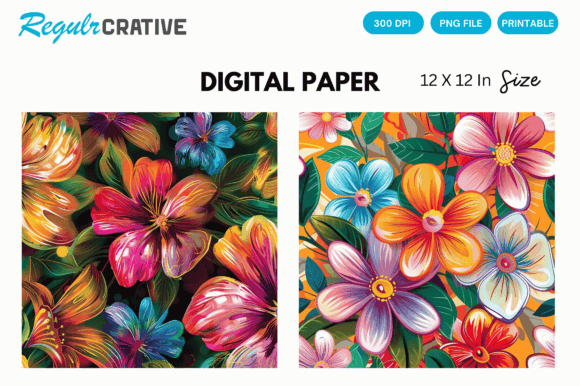
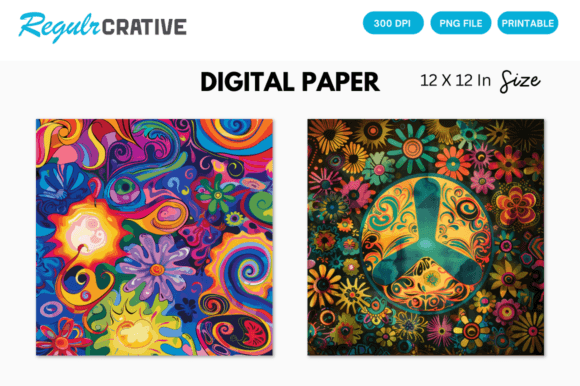
This collection is defined by its unique fusion of vintage floral motifs, psychedelic undertones, and earthy bohemian tones. Unlike generic clip art or rigid vector graphics, these papers capture the fluidity of hand-painted watercolors combined with the structured nostalgia of 1960s and 70s design. Whether you are developing a scrapbook layout, designing a festival flyer, or creating a digital planner for your coaching business, the strategic application of this Watercolor Hippie Digital Paper Pattern allows you to communicate values of freedom, creativity, and mindfulness without relying on clichéd imagery.
Aligning Visual Identity with Strategic Goals
Every visual element in a project serves a functional purpose beyond decoration. When selecting a Watercolor Hippie Digital Paper Pattern, decision-makers must consider how the specific mood of the asset aligns with their broader communication objectives. The collection's emphasis on "peace and love" aesthetics, trippy abstract designs, and retro flower patterns is particularly potent for brands targeting audiences who value sustainability, mental wellness, or artistic expression.
For small business owners and freelancers, using these textures can humanize a digital presence. A standard corporate template often feels sterile, whereas the inclusion of colorful mandala patterns or acid art textures introduces a layer of personality that resonates deeply with modern consumers. This alignment is crucial for building trust. When a customer sees a consistent use of boho chic digital elements across a website, social media, and printed materials, it signals a cohesive brand narrative. It suggests that the business owner understands their audience's desire for something authentic rather than mass-produced.
However, strategy dictates that context matters. These patterns are most effective when used intentionally to support a message of relaxation, community, or creative exploration. If a financial consultancy were to use these same patterns without careful moderation, the result could be perceived as unprofessional. Therefore, the strategic approach involves knowing when to let the Watercolor Hippie Digital Paper Pattern take center stage and when to allow it to recede into the background as a subtle texture.
Selecting the Right Assets for Specific Outcomes
The versatility of this collection lies in its diverse range of styles, from mystical boho paper to rainbow swirl designs. To maximize return on investment, users should categorize their needs based on the desired outcome:
- Customer Experience Enhancement: Use the Watercolor Hippie Digital Paper Pattern to create downloadable resources, such as guided journals or coloring pages, that add tangible value to a product purchase. This increases perceived value and encourages customer loyalty.
- Event Marketing: For festivals, yoga retreats, or workshops, the groovy digital download elements like peace sign patterns and 1960s paper designs instantly convey the event's vibe. They reduce the need for expensive photography by providing high-quality, thematic backdrops for posters and tickets.
- Content Creation: Bloggers and publishers can utilize the zen digital paper pack to break up long-form text. A well-placed section header featuring new age aesthetics can improve readability and keep readers engaged longer.
Technical Specifications and Operational Efficiency
From an operational standpoint, the technical specifications of the Watercolor Hippie Digital Paper Pattern collection ensure reliability across various platforms. Each sheet is provided in PNG format at 300 DPI with dimensions of 12″x12″ (3600×3600 pixels). This high resolution is non-negotiable for professionals who require crisp prints for physical products like greeting cards, packaging, or merchandise.
Many digital assets suffer from pixelation when scaled, leading to a loss of quality that undermines brand credibility. By utilizing these 300 DPI files, creators eliminate the risk of blurry outputs, ensuring that whether the final product is viewed on a mobile screen or printed on cardstock, the image remains sharp. The transparency inherent in PNG files further streamlines the workflow, allowing designers to layer text, photos, and other graphic elements seamlessly over the textured backgrounds.
The licensing terms, which permit both personal and commercial use, offer significant flexibility. This removes legal barriers for entrepreneurs looking to monetize their creations. A blogger can sell a printable planner featuring these patterns, and a small business owner can print them on tote bags for sale. However, commercial usage requires a clear understanding of the scope. While the license is broad, it is essential to review specific terms regarding redistribution. The goal is to use the pattern to create a unique end product, not to resell the raw digital file itself.
Risks of Unintentional Usage
Despite the high quality of the assets, there are risks associated with using the Watercolor Hippie Digital Paper Pattern without a clear plan. The primary risk is visual clutter. The collection includes vibrant, complex designs like kaleidoscope backgrounds and psychedelic art packs. Overusing these busy textures can distract from the core message of a document or website.
When designing a landing page or a presentation, the hierarchy of information is paramount. If the background competes with the text for attention, the user experience degrades. A common mistake is applying a full-coverage pattern to every section of a brochure. Instead, a strategic approach involves using these patterns sparingly—perhaps as headers, footers, or accent borders—to frame the content rather than overwhelm it. This restraint ensures that the "boho scrapbook paper" aesthetic enhances the content rather than obscuring it.
Another consideration is brand consistency. While the collection offers a wide array of colors, including earthy tones and bright rainbows, mixing too many disparate styles within a single project can look disjointed. A designer might choose the "retro flower patterns" for one series of posts and the "trippy abstract paper" for another, but they must ensure the color palettes harmonize. Without this cohesion, the brand identity becomes fragmented, confusing the audience about what the business stands for.
Practical Implementation Strategies
To truly leverage the potential of this collection, creators should adopt a systematic approach to integration. Start by defining the emotional tone you wish to evoke. Are you aiming for a sense of calm through the Watercolor Hippie Digital Paper Pattern's earthy tones, or energy through the colorful groovy textures? Once the tone is established, select the specific assets that reinforce that feeling.
For educators and hobbyists, these papers are invaluable for creating engaging learning materials. Imagine a lesson plan on the history of the 1960s counter-culture; incorporating actual 1960s paper designs and retro hippie vibes makes the material immersive. Similarly, for crafters, the ability to print these 12″x12″ sheets directly enables the creation of custom stickers, bookmarks, and wall art. The high resolution ensures that even intricate details in the watercolor washes remain visible after cutting.
Digital planners are another area where these assets shine. The "zen digital paper pack" and "mystical boho paper" can serve as monthly dividers or daily journal backgrounds. By organizing these files into dedicated folders before starting a project, users save time and maintain a streamlined workflow. This preparation phase is often overlooked but is essential for productivity. Having the right assets ready to go prevents the frustration of searching for compatible themes mid-project.
Long-Term Value and Adaptability
The longevity of digital assets depends on their adaptability. Trends in design change rapidly, but the timeless appeal of watercolor textures and vintage patterns tends to endure. The Watercolor Hippie Digital Paper Pattern collection sits at the intersection of nostalgia and modern minimalism, making it versatile enough to remain relevant for years. As brands increasingly seek to differentiate themselves through storytelling, having a library of authentic-looking textures is a strategic advantage.
Furthermore, the ability to repurpose these files across multiple mediums amplifies their value. A single set of images can be used for a blog post header, a printed invitation, a social media story highlight, and a physical product label. This multi-channel approach maximizes the impact of the initial investment. By treating these digital papers as foundational components of a broader marketing strategy rather than isolated decorations, creators can achieve better results with less effort.
In conclusion, the Watercolor Hippie Digital Paper Pattern collection represents a powerful tool for anyone looking to infuse their projects with character and depth. By approaching these assets with intentionality, respecting technical specifications, and maintaining a focus on brand goals, professionals and hobbyists alike can produce work that is not only visually stunning but also strategically sound. Whether you are crafting a heartfelt card, launching a new product line, or simply exploring your creativity, these high-resolution, versatile papers provide the perfect foundation for success.